
Parents of young kids know how quickly their moods can change. One minute they’re bounding out of school all smiles, and the next, meltdown city. If this rollercoaster feels familiar, your child may be experiencing something called after-school restraint collapse.
Restraint collapse is a term coined by psychotherapist Andrea Loewen Nair in 2017. It describes the way children “hold it together” all day at school, managing rules, transitions, and expectations, only to fall apart at home where it feels safe (Parents.com, 2023).
It’s not a diagnosis. It’s a survival strategy. Home becomes the safe place where they can finally release the emotions they’ve been holding in.
Some kids show it loudly: crying, screaming, arguing, or sudden meltdowns over small things. Others show it quietly: wanting to be alone, clinging more than usual, complaining of stomachaches or headaches, or snapping at siblings. The common thread is timing. It almost always hits after school, once the pressure is off.
In my own Pre-K classroom, I had a little boy who was the picture of perfection all day long. But when dismissal came, the restraint collapsed. As soon as I walked him out and he spotted his dad, he would get about six feet away, hurl his backpack at him as hard as he could, and then headbutt him. It wasn’t defiance, it was the pressure of the day finally bursting the moment he reached his safe person.
It can look like a tantrum, but there’s a difference. Tantrums are usually about pushing for something they want. Restraint collapse is about running out of emotional fuel. A tantrum often stops if the child gets what they wanted. A collapse requires time, space, and empathy to recover (Jannot, 2019).
A tantrum often stops if the child gets what they wanted. A collapse requires time, space, and empathy to recover.
So what helps? Parents can keep transitions gentle, offer food and water right away, allow kids to decompress without questions, and hold off on chores or homework until later. Creating a safe space with empathy, while keeping boundaries, is key. Sometimes the best thing you can say is simply, “I can see you’ve had a big day. I’m here.”
But schools play a role too. And small differences in school routines can make a big impact on whether children end the day calm or collapsed.
I’ve worked in two schools with very different approaches to dismissal. In one, all the car riders were assembled by grade in the gym and made to sit silently until their name was called. The reasoning was that they had to hear it, but the effect was exhausting: a long, quiet wait at the end of an already long day. At another school, children were grouped by bus, but allowed to chat and wiggle. It was loud, yes, but adults carried the responsibility of listening for names and guiding students to parents. The difference was clear; The second environment was more child-centered, and healthier for kids at the end of the day.
Let’s be honest, adults experience restraint collapse too. I know I do. At the end of a long school day, I sometimes get into my car and just sit there in the school parking lot with the AC (or heat) running. I just sit. I am not even sure if I am thinking about anything. Of course, I want nothing more than to be home with my husband and pups, but I need to decompress either before I leave the school parking lot, or after I pull into the garage. Or both. Our kids are not so different from us in this. The difference is that we’ve had years of practice to name it and manage it. They are still learning.
Shorter, more focused days, more recess (both midday and end-of-day), built-in snack and hydration times, and movement breaks all help. So does intentionally teaching kids strategies for self-regulation—deep breaths, mindfulness, or just space to stretch and reset.
Restraint collapse isn’t a sign that something is wrong with your child, or with you. It’s a sign that your child feels safe enough to let go.
So if your afternoons sometimes feel like a storm blew in with your child, take heart. These moments are not failures, they’re invitations. Your child is showing you where they feel safest, and that trust is the very thing that helps them grow stronger for tomorrow.
References: Bradley, S. (2023). What Is Restraint Collapse? Parents.com. Jannot, J. (2019). The Disintegrating Student: Struggling But Smart, Falling Apart & How to Turn It Around.
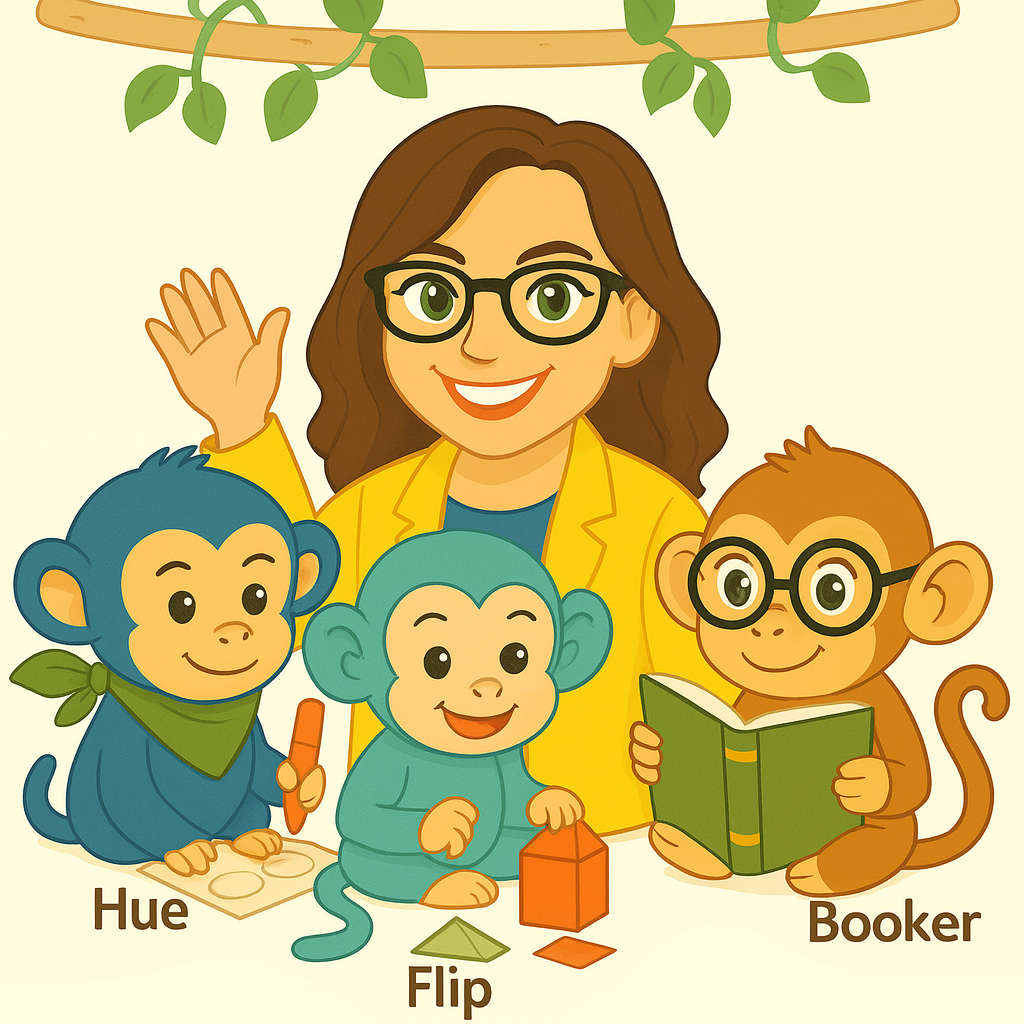 About Chrissi: Hi, I’m Christina “Chrissi” Dennis, B.Ed., M.A. (ABA). I’m a teacher, writer, and creator of Monkey Buddies Activities and books. I’m passionate about helping kids grow, supporting parents, finding and nurturing our villages, and creating a healthy balance between classroom life and family life.
 Chrissi Dennis and Monkey Buddies
Leave a comment