Credit: Netflix
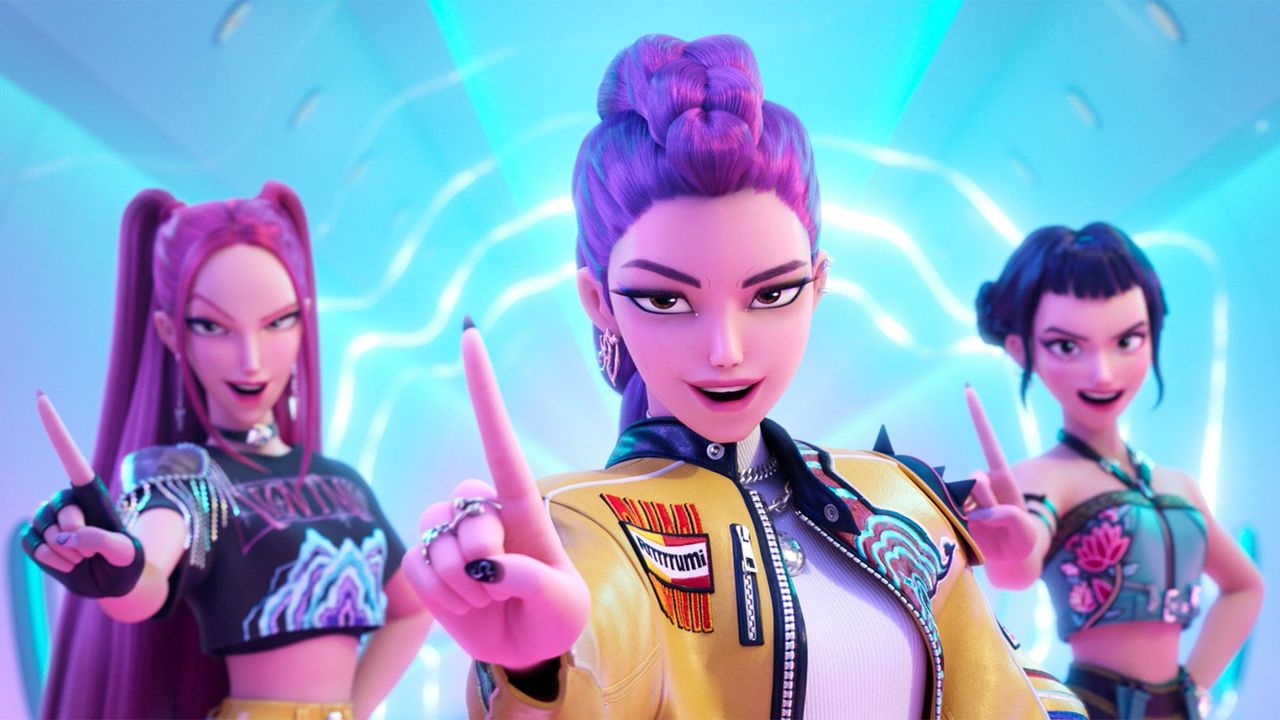
The BBC recently featured an article by Julie Yoonnyung Lee titled KPop Demon Hunters: How the Netflix Film Became a Global Sensation. It highlights how this animated movie has captured audiences around the world by blending rhythm, friendship, and Korean culture in a way that feels very relatable.
The story follows Huntr/x, an all-female K-pop group who double as secret guardians of the world. The film’s message is full of youthful energy, but the clear purpose is to promote themes of deep friendship, loyalty, courage, and the universal need to belong.
At our classroom Halloween festivities over the last two days, the number of K-pop Demon Hunters astounded me. I finally broke down and took time to watch the movie. Last night during trick-or-treating, the hunters dominated the costumes again. I saw children and teenagers wearing outfits from the same movie. I am not talking about twelve and thirteen year olds; older teens and even adults were representing. As I watched the film, I asked myself what the draw was for such a wide age range. Here is what I came up with.
For six-year-olds, the color and music will capture their attention first. They will see characters who save the day through teamwork and song and will cheer right along. I mean, what child doesn’t want to be golden?
For double-digit tweens, it becomes more than a performance. They notice how the group leans on one another, how each girl, as part of a cluster of friends, struggles to fit in, and how real friendship resolves challenges and grows stronger. There is also a sense of rejection and resolution presented in relatable tones.
For teens, the story reaches a deeper place. It opens conversations about identity, image, and belonging. These are important reminders for kids growing up in a culture that often measures worth by likes and followers.
For adults, there is a quiet recognition of our own role as protectors. We see the village reflected on screen: the mentors, the supporters, the people behind the spotlight who make it possible for young talent to shine. The film reminds us that community matters. Whether it is a classroom, a family, or a fanbase, the people who stand beside one another are what give meaning to all the noise and color.
There is no profanity or inappropriate content, and aside from a few exaggerated fangirl scenes, there is no blatant sexuality either. The tone is empowering, not exploitative. Still, as with any high-energy film dealing with both genders and a degree of manipulation, parents may want to preview it for intensity or themes before sharing it with very young viewers. The parents I spoke with gave it a solid pass for their children to view.
KPop Demon Hunters also stands out for its portrayal of Korean culture. Get your phone out to look up parts of the film that appear to be cultural inserts, and you will be flooded with new knowledge about a country that often only makes headlines when the North makes noise. The filmmakers included real and beautiful details such as traditional foods, architecture, language, gestures, and icons to create something that feels truly authentic and inviting. The bridge between America’s fanbase and the culture represented in the film is familiar enough to enjoy yet rich enough to spark curiosity.
When our young people watch stories that celebrate cultures beyond their own, they learn that talent and creativity are universal. They see that music, color, friendship, and courage may look different across the globe, but the underlying feelings are incredibly similar.
You can read the full BBC feature here. It is a lovely reminder that art made with joy and sincerity can connect people across borders and generations.
Maybe that is the real takeaway: our voices, when bound together with trust and friendship, hold a weight that can change the world. ❤️
 About Chrissi: Hi, I’m Christina “Chrissi” Dennis, B.Ed., M.A. (ABA). I’m a teacher, writer, school choice supporter, and creator of Monkey Buddies Activities and books. I’m passionate about helping kids grow, supporting parents, finding and nurturing our villages, and creating a healthy balance between classroom life and family life.

 chrissidennis.com
Leave a reply to Disloyal Cancel reply